
Supplements & Nutrition
Protein, Strength and Maintaining Muscle as You Age
Muscle strength and function can change with age, illness and activity levels, but the pace and experience vary from person to person. Resistance exercise and adequate nutrition are both relevant to muscle health. There is no single protein target or supplement that is right for every reader, so personal needs and medical circumstances matter.
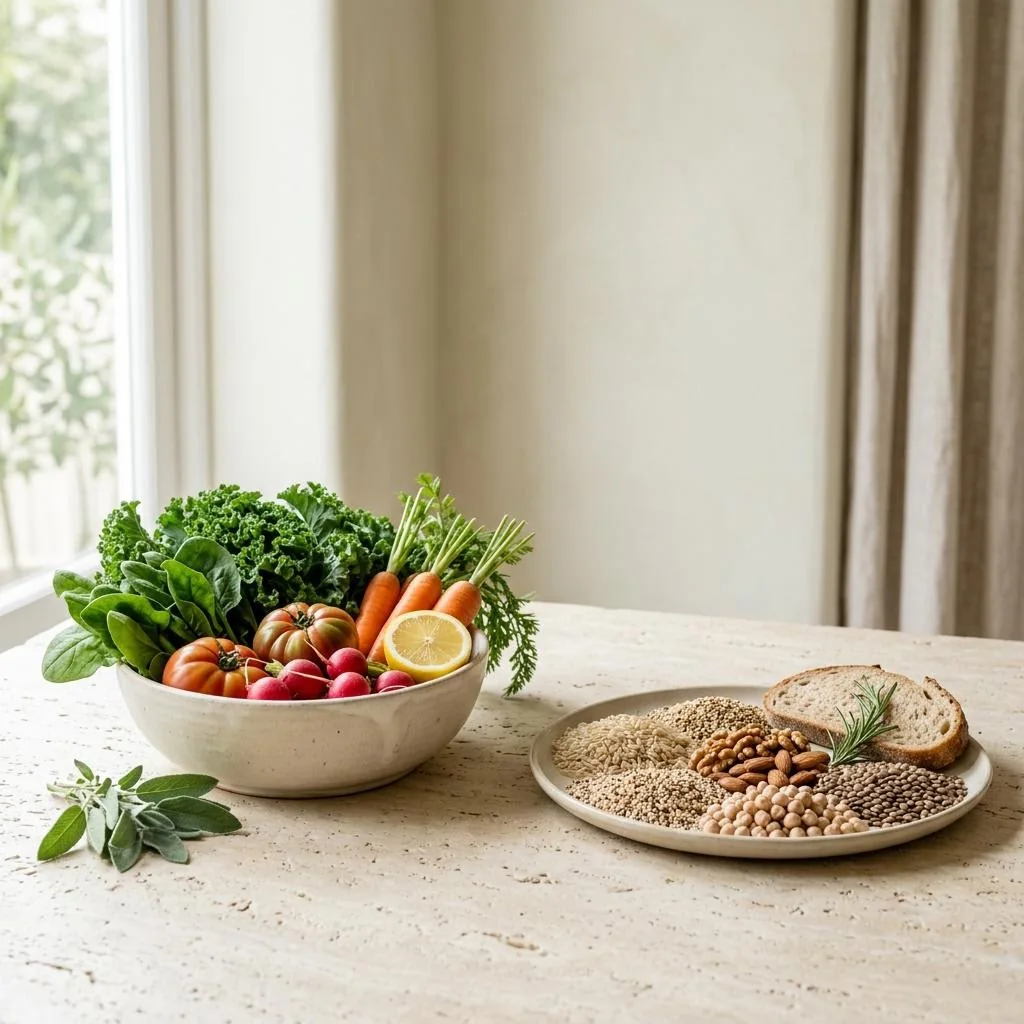
Muscle health is about more than age
Muscles help with movement, balance and everyday tasks. As people grow older, muscle mass and strength may decline, but aging is not the only influence: activity, nutrition, health conditions, injury and periods of inactivity can also affect function. Changes in strength or mobility are worth discussing, especially when they interfere with daily activities or occur quickly.
Maintaining function can involve several pieces working together. Resistance activities challenge muscles, while adequate energy and nutrients help support the body. Rest and recovery also matter. The most appropriate approach depends on baseline fitness, physical limitations and health needs.
Why resistance activity matters
Strength-building activity can help support muscle function and make everyday movements easier. It does not need to look the same for everyone: some people use body weight, bands, machines or supervised exercises, while others need adapted movements. Begin at a level appropriate for your ability and seek professional guidance if pain, a chronic condition, balance concerns or recent injury affects exercise choices.
A sustainable routine is generally more practical than an occasional intense effort. A physical therapist, exercise professional or healthcare clinician can help tailor movement when there are safety questions. Do not assume that difficulty moving is simply an unavoidable part of aging.
Protein as part of balanced nutrition
Protein supplies amino acids used to build and maintain body tissues, including muscle. Protein-containing foods include options such as beans, lentils, eggs, dairy foods, fish, poultry, meat, nuts and seeds. A varied diet also provides energy and other nutrients, so focusing on protein alone does not replace overall nutrition.
Protein needs are individual. Age, body size, activity, appetite, kidney or other health conditions, recovery from illness and dietary preferences can affect what is appropriate. A clinician or registered dietitian can help if you are unsure how much or which sources fit your needs. Avoid treating a supplement as necessary or automatically safe; food, medicines and health history should be considered together.
Put food, activity and recovery together
For muscle health, a useful conversation can include how you move, what makes meals manageable, changes in strength, and any health conditions or medicines that influence nutrition. If eating enough is difficult, weight is changing without explanation or weakness is affecting daily life, seek professional guidance rather than relying on a generic target from the internet.
Small changes—such as finding an enjoyable strength activity or including a protein-containing food in meals—may be easier to sustain than a complete routine overhaul. Yatro’s longevity service offers information about care options through its clinical partners.
Why does muscle function change as we age?
Muscle function can change with age, but aging is only one of several influences on strength and mobility. Activity, nutrition, illness, injury and periods of reduced movement can also affect how muscles perform.
A change may show up as greater difficulty with everyday tasks, but its cause cannot be identified from age alone. Consider whether there have been recent health changes, pain, a period of inactivity, appetite changes or new challenges with balance. Sudden or concerning weakness, or a change that interferes with daily life, deserves discussion with a healthcare professional. They can consider the full history and decide whether assessment or support is appropriate. Paying attention to function—rather than appearance alone—helps keep the conversation focused on what a person can do and what assistance may support their goals.
How should I begin strength activity?
Begin strength activity at a level that fits your current ability and health, then seek guidance about progression or adaptations when needed. The aim is a safe, repeatable routine rather than an intense session.
First consider which movements are comfortable and relevant to daily life, and whether pain, balance concerns, a recent injury or a chronic condition affects exercise choices. Some people may use body-weight movements or resistance bands; others may benefit from supervised or adapted activity. If you have been inactive or are uncertain what is safe, ask a healthcare professional or qualified exercise professional for individualized suggestions. Allow time for rest between efforts and pay attention to how you feel. Do not treat pain or new symptoms as a signal that a workout is working; ask for advice if they arise. A routine can be adjusted over time as comfort and ability change.
- Choose movements that are relevant to your goals and current capacity.
- Ask about adapted or supervised options if health or balance affects exercise.
- Make consistency and recovery part of the plan rather than chasing intensity.
Which foods can contribute protein?
Many foods can contribute protein, including beans, lentils, eggs, dairy foods, fish, poultry, meat, nuts and seeds. The right mix depends on preferences, access, dietary needs and health circumstances.
Think about foods you already enjoy and can prepare or obtain reliably. Combining a protein-containing choice with other foods can make meals more varied and provide energy and nutrients beyond protein alone. If appetite is low, eating is difficult or your diet is limited, bring those details to a clinician or registered dietitian rather than assuming that a supplement is the answer. People who avoid particular foods can discuss alternatives that fit their needs. Food traditions, budget, chewing ability and kitchen access all matter when translating general nutrition information into a workable plan.
Do I need a protein supplement?
Not everyone needs a protein supplement, and whether one is appropriate depends on individual nutrition and health needs. A supplement should not be treated as automatically necessary or safe simply because muscle health is a goal.
Before using one, consider whether regular foods meet your needs and discuss health conditions, medicines and other supplements with a healthcare professional. Certain medical circumstances can affect nutrition advice, so a generic target or product label cannot replace individualized guidance. If a professional recommends a supplement, ask how it fits with your overall eating pattern and what ingredients to review. Do not use a product to delay evaluation of unexplained weight change, difficulty eating or worsening weakness. This approach keeps supplement decisions grounded in the full picture rather than marketing claims.
When is professional guidance especially useful?
Professional guidance is especially useful when weakness, changing mobility, difficulty eating or an unexplained change in weight affects daily life. A clinician can help consider possible causes and whether nutrition, movement or another kind of evaluation is needed.
Bring a clear description of what has changed, when it began and which tasks are affected. Mention recent illness or injury, appetite, eating difficulties, health conditions, medicines and activity changes. A registered dietitian may help with food-related questions, while a physical therapist or other qualified professional may support movement choices when appropriate. Different professionals address different parts of the concern; ask who should coordinate next steps. Avoid self-diagnosing from a single symptom or online protein calculator. Seek timely care if a change is sudden, severe or otherwise alarming.
Sources & Further Reading
- National Institute on AgingHow Can Strength Training Build Healthier Bodies as We Age?
- National Institute on AgingExercise and Physical Activity
- MedlinePlus, U.S. National Library of MedicineProtein in Diet
Yatro Health Library content is provided for general educational purposes and is not a substitute for professional medical advice, diagnosis or treatment. Individual treatment decisions should be made with a licensed healthcare professional.