
Health & Wellness
Telehealth Weight Loss Programs: How Personalized Care Actually Works
An explainer on what to expect from a personalized, provider-led weight program online - how care is tailored to you, what a licensed provider reviews, and how treatment is prescribed and fulfilled. Calm, clinical credibility without hype or urgency.
If you have been curious about a telehealth weight loss program, you probably have a few honest questions. Is it legitimate? Who is actually looking at my information? What happens after I sign up?
Those are the right questions to ask. This guide walks through how personalized, provider-led weight care works online, step by step and in plain language, so you can decide whether it fits your life.
What a telehealth weight loss program actually is
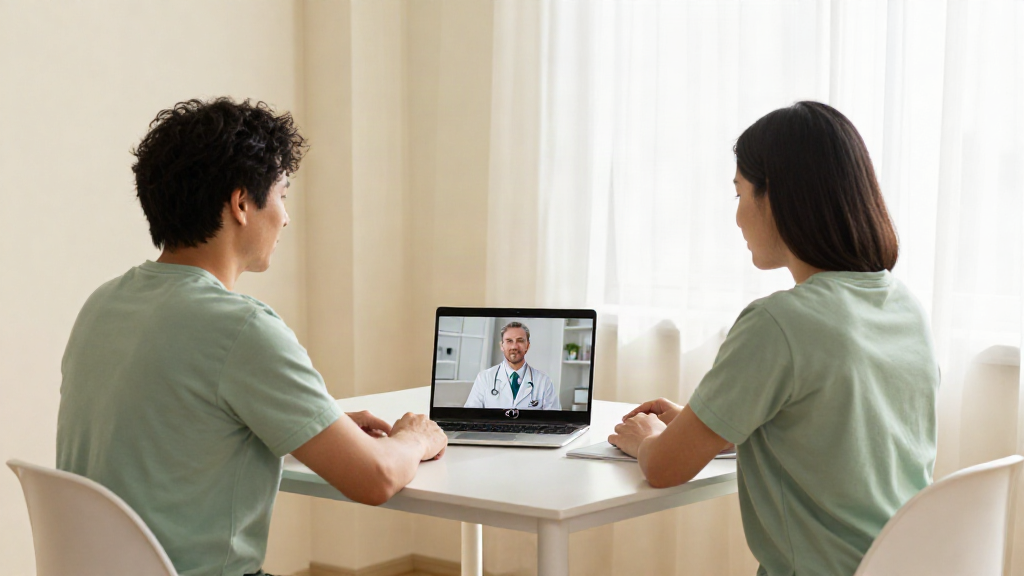
A telehealth weight loss program is online medical care focused on weight. Instead of driving to a clinic, you meet a licensed provider over video or a secure message, and the care is built around your history, your goals, and how your body has responded to past efforts.
The important word here is medical. A real program is not a meal plan or a motivational app. It is care delivered by a licensed U.S. provider who can review your health, discuss options, and prescribe treatment when it is appropriate.
That distinction matters. Weight is not a willpower problem. It is influenced by metabolism, hormones, sleep, stress, medications, and dozens of other factors a provider can help you understand.
Why personalized care is different
Many weight programs hand everyone the same plan. Personalized care starts from a different premise: what works for you depends on you.
A personalized approach means the provider looks at your full picture before suggesting anything. That can include:
- Your health history and any current conditions
- Medications and supplements you take
- Past attempts at weight loss and what helped or did not
- Your daily routine, sleep, and stress
- The goals that matter to you, not a generic target
From there, the plan is tailored. Two people can walk into the same program and leave with two different paths, because their bodies, histories, and lives are different.
How a guided start works
The easiest way to begin is with a free Care Team call. It is a conversation, not a commitment. The point is to help you understand your options and get your questions answered before you decide anything.
On that call, you can expect to talk through what you are hoping for and how the process works. You do not need to have it all figured out. You do not need to know which treatment you want. You just need a place to begin.
When you are ready, the next step is a visit with a licensed provider.
What a licensed provider reviews
The provider visit is where the care becomes personal. This is a real medical evaluation, delivered online, and it covers the same ground a thoughtful in-person visit would.
The provider reviews your health history, your current medications, and any conditions that could affect which options are safe for you. They ask about your goals and your past experience with weight. They explain what is available, what the realistic expectations are, and what the tradeoffs look like.
Because this is care, not a sales pitch, the provider can also tell you when a particular option is not right for you. That is part of what makes the guidance worth trusting.
How treatment is prescribed and fulfilled
If treatment is appropriate, the provider writes a prescription. From there, pharmacy fulfillment handles the rest, and your medication is delivered to you.
This is where a lot of the convenience comes in. You are not squeezing appointments into a busy week or sitting in a waiting room. The medical piece happens online, on your schedule, and the medication arrives at your door.
Throughout, the care stays connected. If something changes or you have questions, you have a team to reach back out to rather than a one-time visit and silence.
Care without the insurance maze
For many people, the appeal of online care is that it sidesteps a frustrating process. Rather than waiting on referrals or decoding coverage, you pay directly and know what you are getting.
That transparency is the point. You start with a free call, move to a provider visit, and pay for treatment only if it is prescribed and you choose to move forward. No surprise bills buried in fine print.
Who this kind of program is for
Online, personalized weight care tends to suit people who:
- Want a real medical option but prefer to avoid clinic visits
- Have tried generic plans and want something built around them
- Value licensed-provider credibility and clear answers
- Want to move at their own pace without pressure
It is not a shortcut, and it is not for everyone. A licensed provider is the right person to tell you whether it is a fit, and that judgment is exactly why the guided start exists.
Common questions
Do I need insurance? No. Personalized online care is designed to work without it.
Is it private? Yes. Your visit happens online with a licensed provider, and your information is handled as medical information.
How do I start? Begin with the free Care Team call. It helps you understand your options before you commit to anything.
What if I am not sure? That is fine. The call is a place to ask questions, not a place to be sold to.
A calm place to begin
A telehealth weight loss program is best understood as personalized medical care that happens to be online. A licensed U.S. provider reviews your history, tailors a plan to you, and prescribes treatment when it fits, with pharmacy fulfillment handling delivery.
You do not have to have it all figured out to take the first step. Start with a free Care Team call, ask your questions, and let a provider help you see what is possible for you.
Yatro Health Library content is provided for general educational purposes and is not a substitute for professional medical advice, diagnosis or treatment. Individual treatment decisions should be made with a licensed healthcare professional.